SPACE NOWASTRONOMY
DON’T MISS THE SKY · AUG 10–16

Something remarkable is happening above us.

Know what it is, why it matters, and how to enjoy it—even if you stay inside.

No account, telescope, or location needed. Times are UTC until you choose a city.

Worth knowing from anywhere

No location selected. The full week is already here.

THIS WEEK

5 reasons to look up—or stay in.

Ranked for wonder and usefulness, not dumped from a raw calendar.

01
SOLAR ECLIPSENAKED EYE

A total solar eclipse crosses the Arctic and parts of Europe

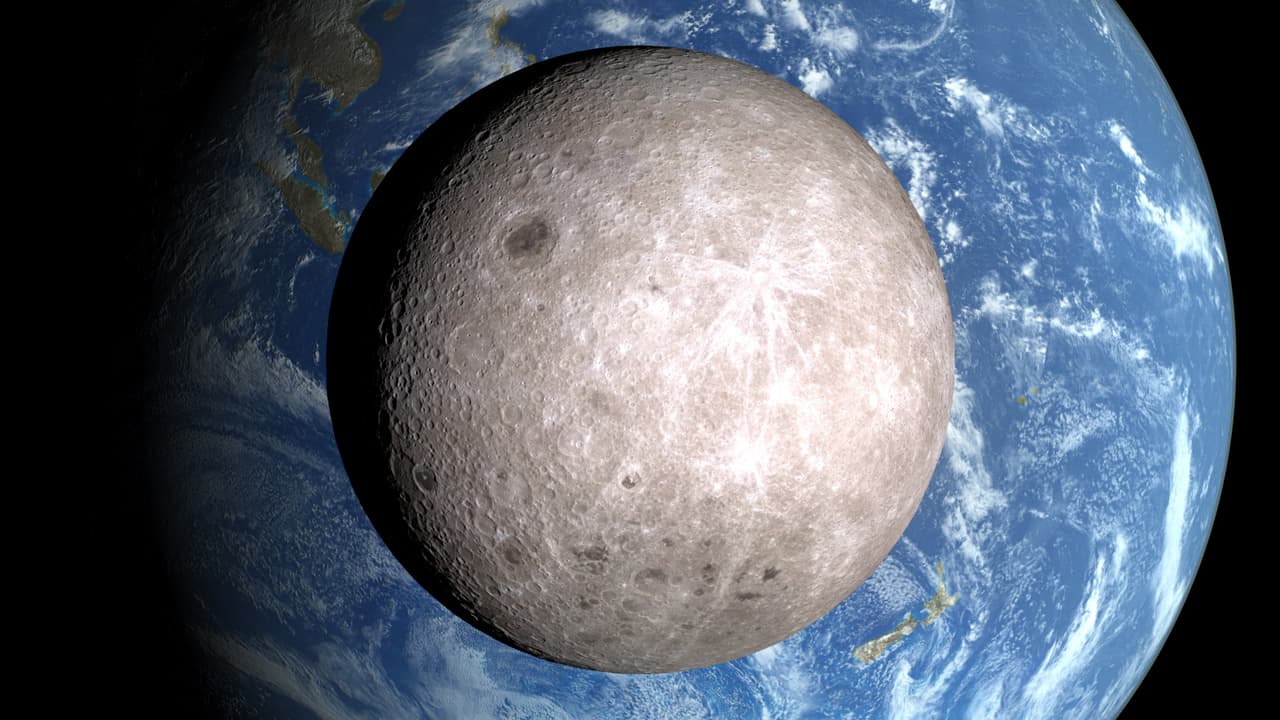
The Moon's central shadow reaches Greenland, Iceland, northern Spain, a small part of Portugal, and part of Russia while the rest of the world can follow the geometry from home.

WHY IT MATTERS

Totality is one of nature's most precise alignments: a small moving patch of Earth briefly enters the Moon's central shadow.

ENJOY IT FROM HOME

Move through a three-step shadow diagram: the Moon crosses the Sun, its narrow central shadow touches Earth, and most places remain outside that path.
A guided explanation of Walk through the Moon's moving shadow.NASA source evidence; Space Now original explainer
02
METEOR SHOWERNAKED EYE

The Perseids reach their broad peak

Earth is crossing dust left by comet Swift–Tuttle, so fast grains can flash anywhere in a dark sky overnight.

WHY IT MATTERS

A meteor is a tiny piece of old comet material revealing Earth's motion through the solar system.

ENJOY IT FROM HOME

Trace parallel dust paths back to one radiant and learn why meteors can appear anywhere across the sky.

03
MOON PHASENAKED EYE

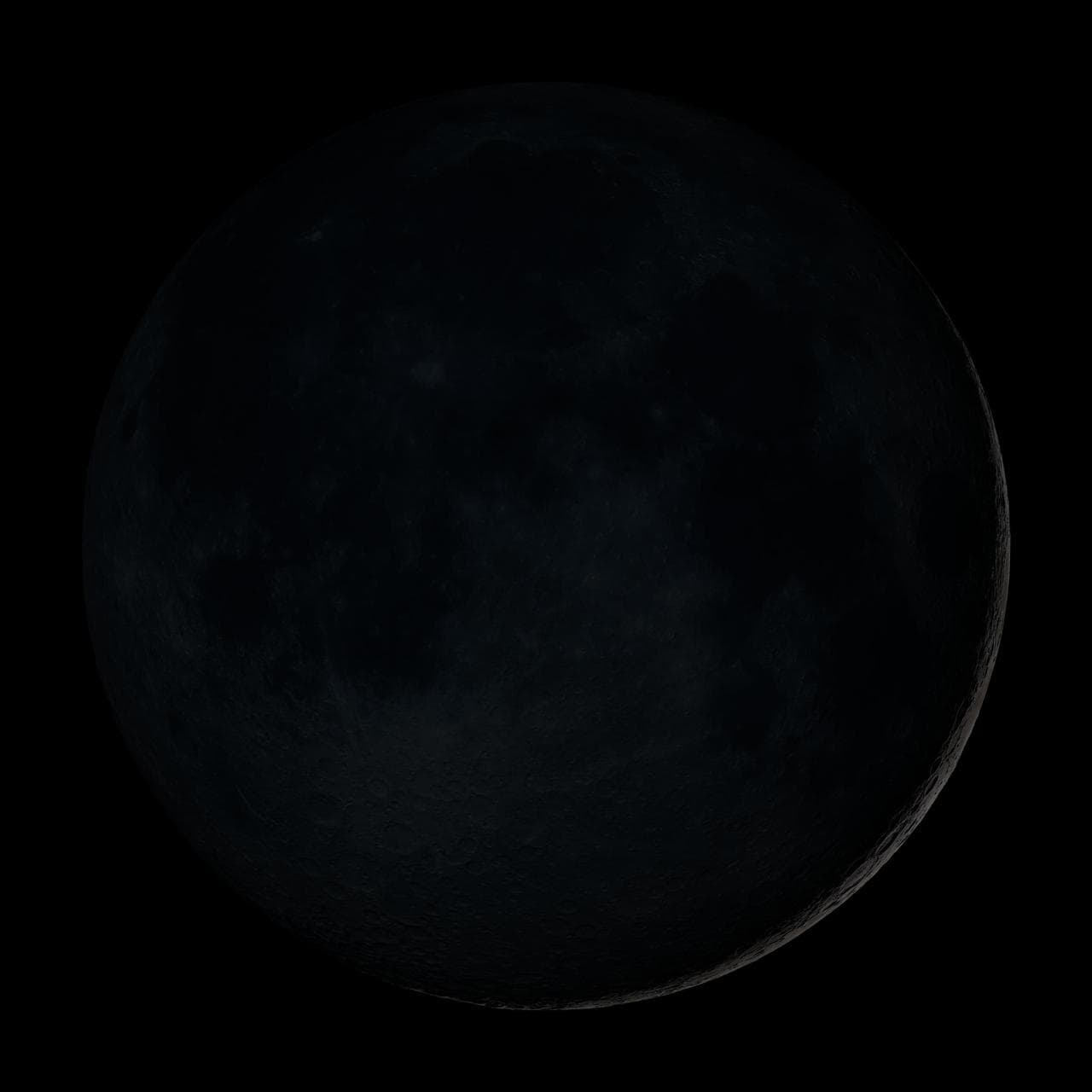
New Moon resets the evening sky

The Moon passes near the Sun in our sky, leaving nights temporarily free of bright moonlight.

WHY IT MATTERS

The same geometry that makes the Moon nearly invisible is the starting point of the next visible crescent cycle.

ENJOY IT FROM HOME

Rotate a simple Sun–Earth–Moon model to see that the Moon is not changing shape—our view of its sunlit half is.

A guided explanation of Turn the Moon through one phase.NASA source evidence; Space Now original explainer
04
PLANETARYNAKED EYE

Venus reaches its widest evening separation from the Sun

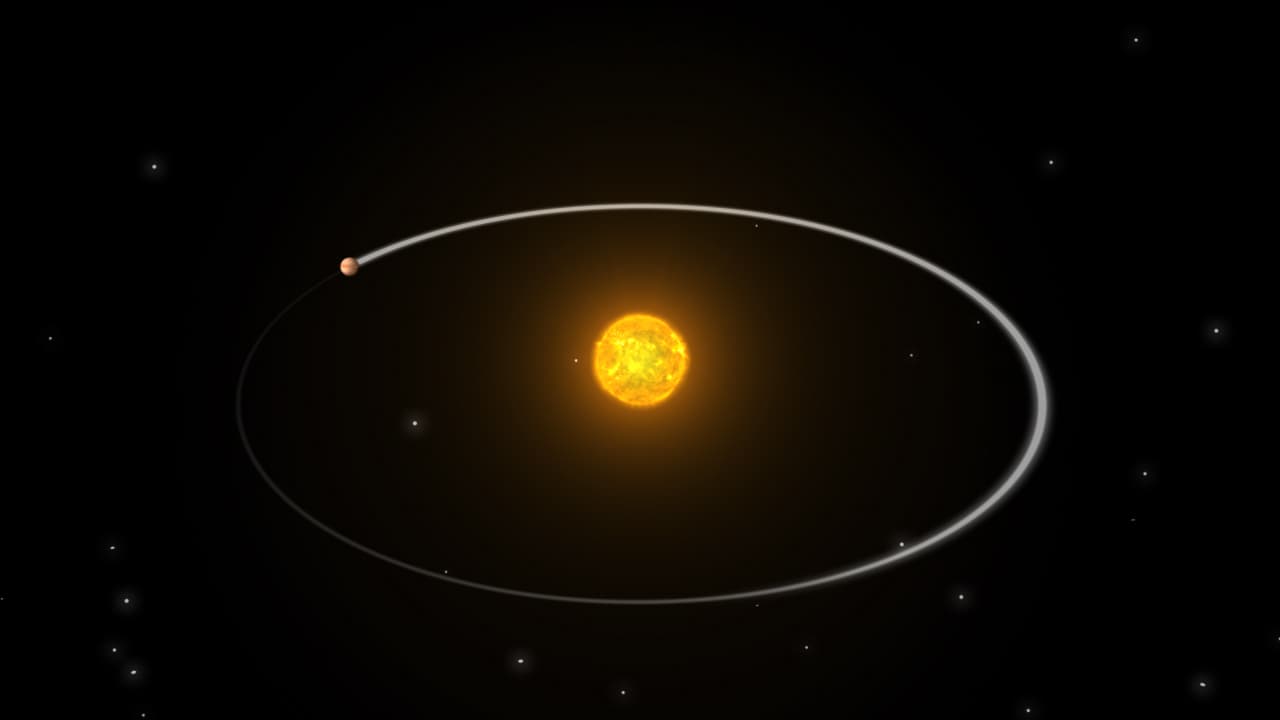
Venus appears about 45.9 degrees from the Sun, making this a useful orientation point for the evening planet.

WHY IT MATTERS

An inner planet never wanders across the whole night; its changing angle from the Sun reveals its orbit inside Earth's.

ENJOY IT FROM HOME

Compare the planet's apparent separation from the Sun over several nights and see why the best viewing window moves.

A guided explanation of Slide Venus along its inside orbit.NASA source evidence; Space Now original explainer
05
MOON PHASENAKED EYE

The half-lit Moon makes shadows easy to read

At first quarter, the day-night boundary crosses the lunar surface and throws crater rims into long relief.

WHY IT MATTERS

The terminator turns familiar circles into a readable landscape, showing that the Moon is a world with sunrise and sunset.

ENJOY IT FROM HOME

Rotate a simple Sun–Earth–Moon model to see that the Moon is not changing shape—our view of its sunlit half is.

A guided explanation of Read the moving line of lunar sunrise.NASA Scientific Visualization Studio