
Mercury gets its best evening angle of the cycle
Mercury reaches a calculated evening elongation near 25.2 degrees, though local horizon and twilight still decide the view.
The meaning behind the moment
The smallest planet is usually hidden in solar glare; a maximum elongation is a geometric opportunity, not a spectacle guarantee.
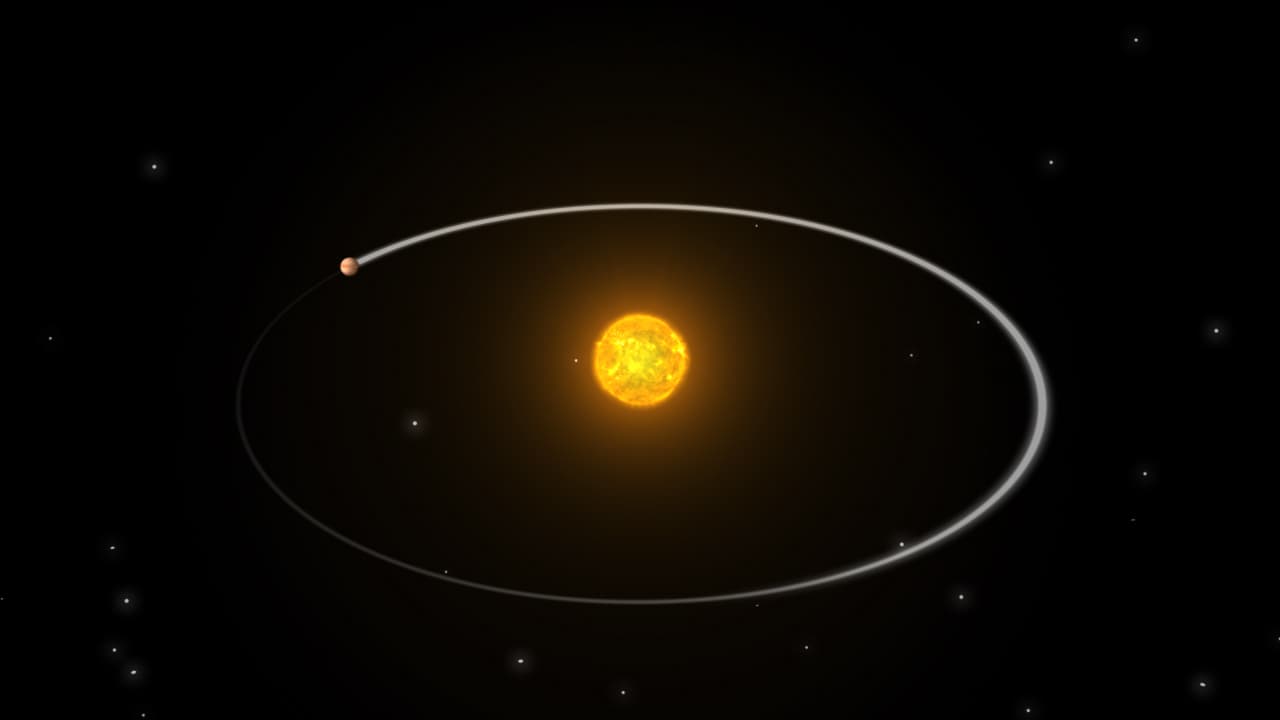
See why Mercury never leaves twilight
Compare the planet's apparent separation from the Sun over several nights and see why the best viewing window moves.
- Start with the physical arrangement.
- Notice what changes from Earth's point of view.
- Connect the geometry to what a person can actually experience.
Useful without a location; richer with one
The global event and indoor experience are complete above. Add a city on This Week for a localized time and an honest easy / possible / not-visible result.
No equipment required
Search low after sunset only when the Sun is safely below the horizon. Never sweep for Mercury with binoculars while the Sun is up.
Source, calculation, and revision
- Primary source
- Astronomy Engine validated against USNO
- Last checked
- 2026-08-10T23:00:00+00:00
- Calculation
- astronomy-engine@2.1.19
- Precision
- window; weather is not included
- Media
- NASA source evidence; Space Now original explainer · original editorial text with linked first-party evidence
We’ll keep this page current
After the event, this durable page will preserve the result, official replay, or a concise correction without silently rewriting the earlier revision.